
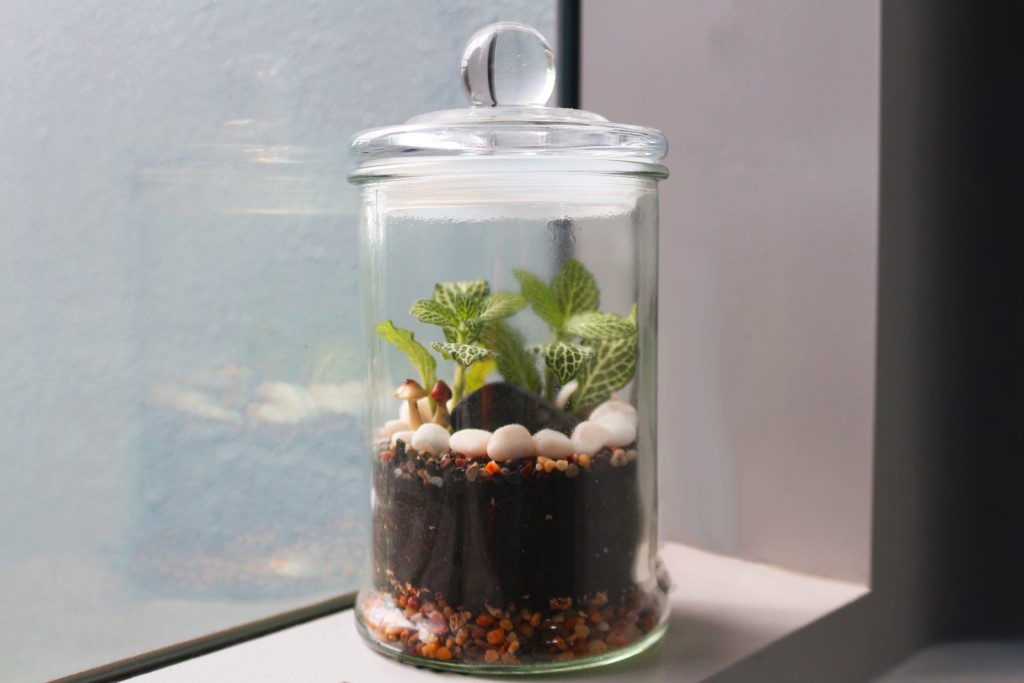
Singaporeans love greenery, but not every home has the space, sunlight or time for a full indoor garden. That is especially true in a dense urban setting where many people live in HDB flats, condominiums, or apartments, and every shelf, desk and windowsill has to work harder.
That is where a terrarium workshop becomes more useful than a simple craft session. It teaches you how to build a miniature indoor garden that fits Singapore homes, offices, classrooms and shared workspaces. A well-designed terrarium is compact, low maintenance, visually calming, and educational. More importantly, it helps beginners understand the science of plant care instead of guessing their way through watering, lighting and plant selection.
Why Mini Indoor Gardens Make Sense in Singapore
Singapore’s national direction is strongly tied to greenery, with ongoing efforts to build a City in Nature. But greenery does not only belong in parks and streetscapes.
For many people, daily contact with nature happens indoors: on a work desk, beside a study table, near a reception counter, or in a compact apartment corner. A terrarium turns that small surface area into a living display.
The indoor plant trend also reflects a wider lifestyle shift where greenery is seen not just as décor, but as part of wellness and interior design.
What a Terrarium Workshop Actually Teaches
A terrarium workshop is not just about putting soil and plants into a glass jar. It teaches the structure behind a healthy mini ecosystem.
Epic Workshops describes its Classic Terrarium Workshop as a guided session where participants learn how to create a “forest in a bottle.” The workshop typically runs for about 1 to 1.5 hours and includes professional guidance throughout the process.
You Learn the Difference Between Open and Closed Terrariums
One of the most important lessons is choosing the right terrarium type.
Closed terrariums work best for moisture-loving plants because they retain humidity and create a natural water cycle. Open terrariums are better for plants like succulents and cacti that prefer drier conditions and airflow.
Understanding this prevents one of the most common beginner mistakes: placing the wrong plant in the wrong environment.
The Science Behind a Self-Sustaining Mini Garden
A terrarium works because it mimics natural cycles in a contained space. Water evaporates, condenses on the glass, and returns to the soil, creating a mini ecosystem when balanced correctly.
A well-built terrarium usually includes:
- A drainage layer to prevent water buildup
- Charcoal or filtering material to keep the environment fresh
- Suitable potting mix for root health
- Slow-growing plants suited for enclosed space
- Decorative elements like stones, moss, or figurines
The goal is balance. Too much water, light, or overcrowding can disrupt the system.
How a Workshop Prevents Common Beginner Mistakes
Many beginners struggle with plant care because they rely on trial and error. A workshop helps avoid that by teaching proper setup from the start.
Common issues it helps prevent include:
- Overwatering and poor moisture control
- Incorrect lighting conditions
- Mixing incompatible plants
- Overcrowding the container
- Misreading natural condensation signals
The Wellbeing Value of Building Something Living
Terrarium workshops are popular not only because they are creative, but because they are calming. Hands-on activities that involve nature are widely associated with relaxation, focus, and improved mood.
Building a terrarium gives participants a break from screens and routine tasks. It also creates a sense of achievement because the final product is something alive that continues to grow after the session.
In workplace settings, this makes it a simple but meaningful way to slow down and reconnect.
Why Terrarium Workshops Work Well for Teams
A good team activity should be easy to join, inclusive, and comfortable for different personalities. Terrarium making fits this well because it does not require artistic skill or physical effort.
It also encourages natural collaboration. People discuss design ideas, share materials, and build something together without pressure.
For companies, this creates:
- Low-pressure interaction between colleagues
- A shared physical item that represents teamwork
- A relaxed, nature-based alternative to typical team games
A completed terrarium placed in an office pantry or meeting room can also serve as a small ongoing reminder of the shared experience.
Building a Terrarium Also Builds Plant Confidence
Many beginners assume they are “bad with plants,” but most plant issues come from simple mismatches in care conditions.
A terrarium workshop changes that by teaching you what to observe instead of guessing what to do.
Instead of asking how often to water, you learn to notice:
- Moisture levels in the soil
- Condensation patterns inside the glass
- Plant growth direction toward light
- Early signs of overwatering or stress
This shift from guessing to observing is what builds long-term confidence in plant care.
Practical Aftercare for Your Mini Indoor Garden
After the workshop, a terrarium is relatively easy to maintain, but it still needs basic care.
Keep these habits in mind:
- Place it in bright, indirect light
- Avoid harsh direct sunlight
- Water lightly only when needed
- Reduce moisture if condensation becomes excessive
- Remove yellowing or dead leaves early
- Trim plants when they become crowded
A terrarium is designed to be low-maintenance, not completely maintenance-free.
What to Expect from a Terrarium Workshop Experience
A typical terrarium workshop in Singapore offers a guided, step-by-step process where participants choose plants, arrange layers, and design their own miniature garden.
It is suitable for individuals, families, students, and corporate teams looking for a calm, creative, and hands-on activity.
The focus is not just on making something decorative, but on understanding how small ecosystems work and how design and nature come together.
Conclusion
A terrarium workshop helps you build more than just a decorative glass piece. It teaches you how to create and care for a living system in a compact space.
In Singapore, where homes are often smaller and indoor living is a major part of daily life, terrariums offer a simple way to bring nature closer without needing a garden.
They are small, calming, and meaningful. More importantly, they help people reconnect with nature in a practical, hands-on way that fits modern urban living.
FAQs
What is a terrarium workshop?
A terrarium workshop is a guided session where participants learn to build a mini indoor garden inside a glass container using plants, soil, and decorative materials.
Is a terrarium suitable for small Singapore homes?
Yes. Terrariums are compact and fit well on desks, shelves, and small indoor spaces.
How long does a terrarium workshop usually take?
Most terrarium workshops take around 1 to 1.5 hours depending on the format.
Are terrariums hard to maintain?
No. They are generally low-maintenance when set up correctly, especially closed terrariums.
Can a terrarium workshop be used for team building?
Yes. It is often used for team bonding because it encourages collaboration, creativity, and shared hands-on activity.